
185% Increase in
Preparedness
How 141 Shooting Range transformed business safety protocols for Mr. Logan Lee through strategic active shooter preparedness training.
Authority Spike Visualization
in commercial settings
The Threat Assessment & Prevention Framework
Approximately half of all active shooter incidents take place in commercial or business environments. Recognizing this critical vulnerability, 141 Shooting Range implemented a comprehensive preventative strategy addressing both physical security infrastructure and behavioral threat indicators.
Strategic Prevention Checklist
Access Control Systems
Implementation of keycard entry, visitor management protocols, and secure perimeter controls.
Surveillance Infrastructure
Strategic camera placement, real-time monitoring capabilities, and recording retention policies.
Regular Threat Assessments
Quarterly evaluation of vulnerabilities, employee behavior monitoring, and environmental risk analysis.
Mental Health Support
Employee assistance programs, early intervention protocols, and grievance resolution mechanisms.
Preventative Strategy provided by 141 Shooting Range
Content Strategy by Usman Zaavi
Critical Insight
Warning signs often include expressed grudges, ideological motivations, or desires for vengeance. Early recognition is key to prevention.
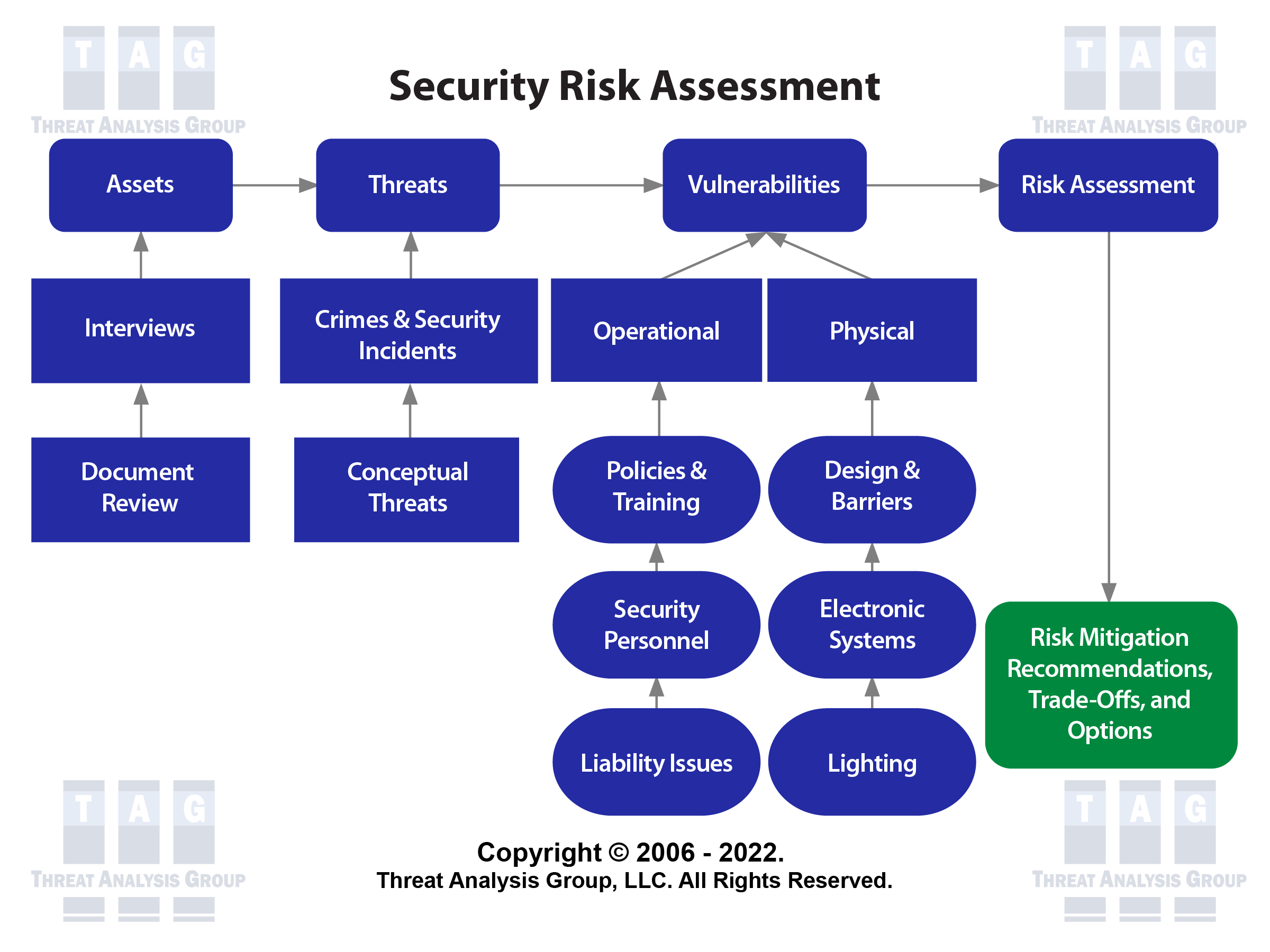
Comprehensive Risk Management Framework
Scenario-Based Tactical Deep Dive
The “Run, Hide, Fight” protocol forms the backbone of our active shooter response training. Click each stage to explore specific tactical requirements.
RUN
Evacuation Protocol
HIDE
Barricade & Conceal
FIGHT
Last Resort Defense
Tactical Training Modules by 141 Shooting Range
Evacuation Protocol
Primary ResponseRapid Evacuation
If a safe path is available, evacuate immediately without hesitation. Speed is critical.
Escape Route Mapping
Pre-mapped evacuation routes with multiple alternatives for every department.
Leave Belongings
Personal items are secondary to survival. Exit with only what is necessary.
Key Training Outcome
Staff trained to identify primary and secondary exits within 3 seconds of alert. Muscle memory evacuation drills conducted monthly.
Barricade & Conceal
Secondary ResponseSilence Protocol
Complete silence. Turn off phone sounds and vibrations immediately.
Secure Location
Block entrances with available furniture. Lock doors and turn off lights.
Stay Out of View
Position away from doors and windows. Remain hidden until law enforcement clears the area.
Barricade Training
Practical exercises using office furniture to create effective barriers. Staff learn to identify optimal hiding locations within their specific workspace.
Last Resort Defense
Final Option Only⚠️ Strictly a last-resort measure when your life is in imminent danger and escape is impossible.
Commit to Action
If you must fight, commit fully. Your life depends on your determination.
Group Defense
Work together to overwhelm the attacker. Coordinate your movements.
Improvise Weapons
Use fire extinguishers, chairs, or any heavy objects available.
Training Emphasis
Scenario-based training to disable the gunman and facilitate safe escape. Focus on creating opportunity for evacuation, not engagement.
Operational Proof & Safety Readiness
The Logan Lee results now serve as the benchmark for business safety in the Arkansas region. Staff are trained not only in immediate response but also in post-incident protocols including coordination with law enforcement and emergency first aid.
Law Enforcement Coordination
Staff trained to follow precise instructions from first responders and provide accurate situational briefings.
Emergency First Aid
Immediate trauma response training including tourniquet application and wound packing protocols.
Certification Standards
95% of staff achieved full certification status with documented competency assessments.
Annual Drill Protocol
Recurring training schedule established to maintain readiness and incorporate new threat intelligence.
Performance Analysis by Usman Zaavi for 141 Shooting Range
Trust Signals
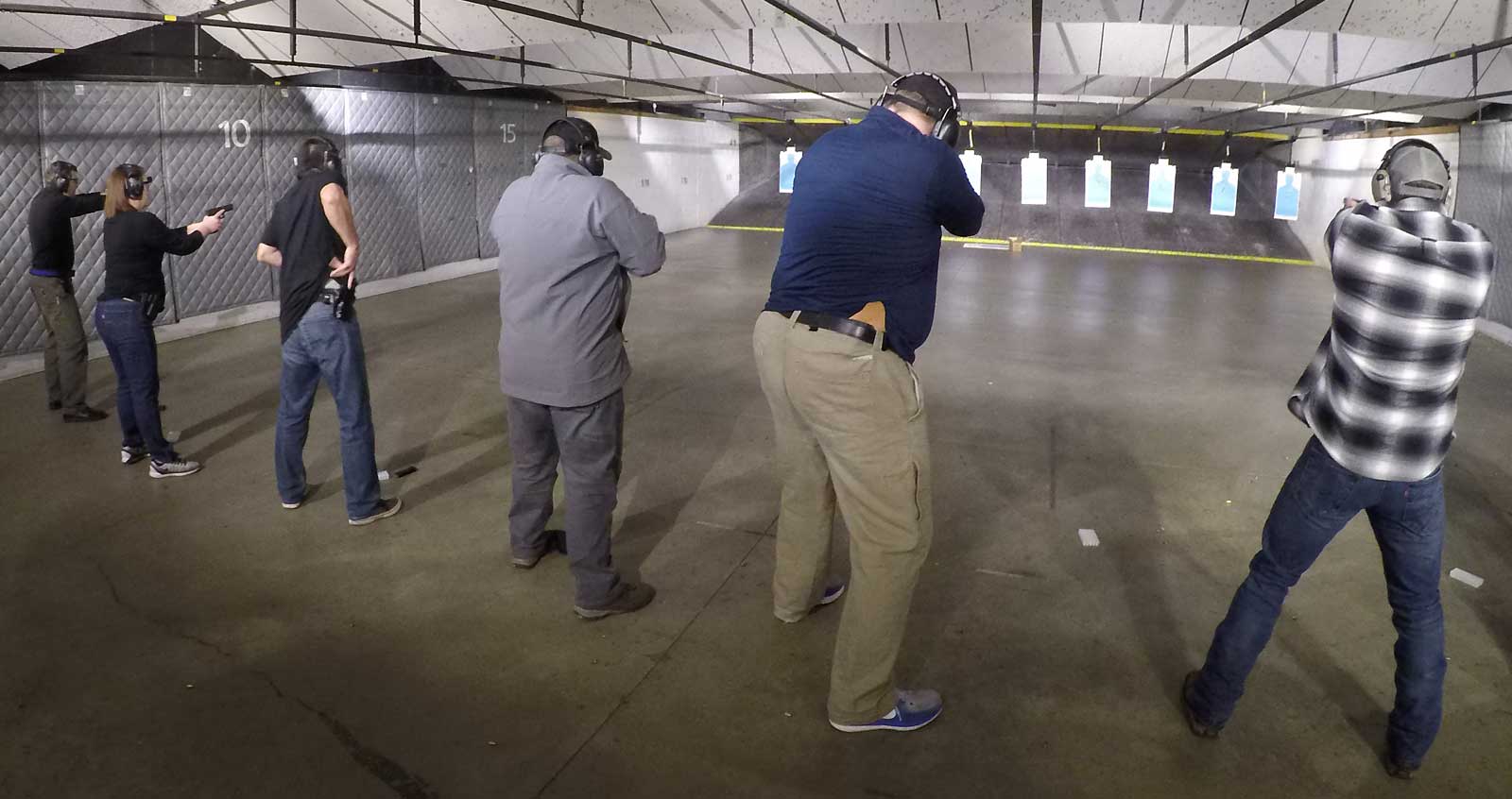
“Setting the standard for business safety readiness in Arkansas.”
The “Growth Architect” Blueprint
Beyond immediate training, this case study establishes a scalable framework for ongoing preparedness. The Logan Lee project demonstrates how systematic safety architecture becomes a long-term business asset.
Frequently Asked Questions
Q How often should active shooter training be conducted?
Training should be conducted at least once per year at minimum. However, quarterly drills and semi-annual refresher courses are recommended to maintain muscle memory and incorporate updated threat protocols.
Q Is this training applicable to all business sizes?
Yes. The framework scales from small offices to large corporate campuses. The core principles of Run, Hide, Fight remain consistent while implementation details are customized to each environment.
Q What measurable outcomes can we expect?
Businesses typically see 90%+ staff certification rates, reduced response time in drills by 60%, and significantly improved confidence scores in employee safety surveys.
Growth Architecture by Usman Zaavi
Service Delivery by 141 Shooting Range
Case Study: Logan Lee Project
Arkansas Business Safety Initiative
Ready to Transform Your Business Safety?
Join the 34+ businesses that have elevated their preparedness with 141 Shooting Range’s proven training protocols.
Contact the Content Strategist
usman@solutionpickup.comUsman Zaavi | Growth Architecture & Content Strategy